Entry · Ref ZLO2QRES
Emergency Dentist Ventura for Urgent Root Canal Needs
- Posted
- 2026-11-27
- Last amended
- 2026-11-27
- Account
- @tituscjxs362

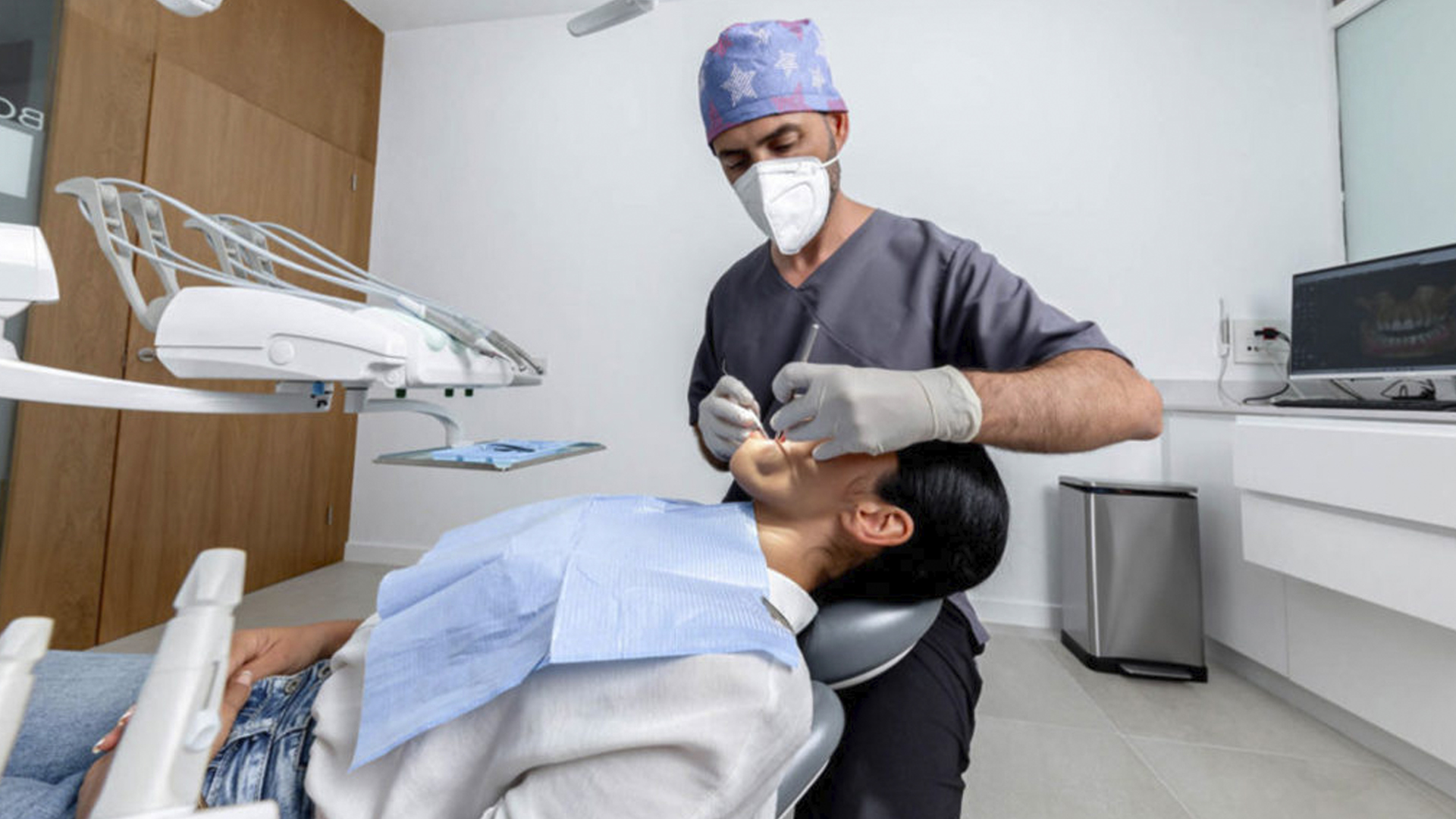

A root canal rarely starts as a planned part of anyone’s week. More often, it arrives as a sharp throb at midnight, a swelling that seems to spread by the hour, or a sudden jolt when a cracked tooth meets a sip of cold water. When that pain turns urgent, finding an Emergency Dentist Ventura residents can reach quickly becomes less about convenience and more about function, sleep, and plain relief.
Urgent root canal care sits in a category of its own. It is not the same as a routine filling, and it is not always as simple as waiting for the next open appointment. The problem usually begins inside the tooth, where the pulp contains nerves and blood vessels. Once that tissue becomes inflamed or infected, pressure builds in a rigid space with nowhere to go. That is why the pain can feel so intense, and why people often describe it as pulsing, radiating, or impossible to ignore.
The good news is that many of these situations can be treated effectively, often with same day assessment and immediate steps to control pain and stop the infection from getting worse. The better news is that modern root canal treatment is far more predictable and comfortable than its reputation suggests.
When tooth pain crosses into an emergency
Not every toothache means you need a root canal, but certain patterns raise concern quickly. Persistent pain that lingers after hot or cold, pain that wakes you from sleep, tenderness when biting, swelling in the gum near a tooth, and a pimple-like bump on the gum can all point to a problem in the nerve space of the tooth.
In practice, some of the most urgent cases are not the loudest at first. A patient may come in saying the tooth felt “off” for a few weeks, then suddenly became unbearable over a weekend. Others report the opposite: they had severe pain for days, then it stopped, and they assumed the issue resolved itself. Often, that quiet period is not good news. It can mean the nerve has died, while the infection remains active deeper around the root.
An experienced emergency dentist looks beyond pain level alone. A badly infected tooth can present with moderate pain but visible swelling, difficulty chewing, or sensitivity to tapping. In rarer cases, fever, a spreading facial swelling, or trouble opening the mouth can suggest the infection is moving beyond the tooth. Those situations require prompt evaluation, not a wait and see approach.
What a root canal actually treats
The term “root canal” gets used casually, but it refers to both the natural internal channel of the tooth and the procedure used to clean and seal it. When bacteria enter the pulp through deep decay, a crack, repeated dental work, or trauma, the tissue can become inflamed beyond recovery. At that stage, antibiotics alone usually do not solve the source of the problem because the infection is housed within tissue that has limited blood supply once it breaks down.
Root canal treatment removes the diseased pulp, disinfects the inner space, shapes the canals, and seals them to reduce the chance of future contamination. The goal is straightforward: save the tooth, eliminate the source of pain and infection, and restore function.
This matters because preserving a natural tooth is usually the best mechanical option when it can be done predictably. A saved tooth helps maintain bite balance, chewing efficiency, and spacing. Extraction can sometimes be the right choice, especially for a tooth with severe structural damage, advanced fracture, or poor gum support, but it is not automatically the simpler path. Replacing a missing tooth often involves more time, more cost, and more decisions than many people expect.
The signs that should prompt a same day call
Some symptoms warrant immediate contact with an emergency dental office. If you are trying to gauge whether a painful tooth can wait, these are the situations that usually deserve priority attention:
- Severe, constant tooth pain that does not ease with standard pain relievers.
- Noticeable swelling in the gum, cheek, or jaw area.
- Pain when biting, especially if it feels like the tooth is raised or pressure-sensitive.
- Sensitivity to heat that lingers for minutes rather than seconds.
- A broken tooth with exposed inner structure and escalating pain.
Those signs do not guarantee a root canal, but they strongly suggest that the tooth needs prompt examination. Ventura patients often call after trying to “manage it until Monday,” only to find the pain intensifies overnight. That is common with pulpal inflammation. Once the pressure increases, it tends to become more disruptive, not less.
Why emergency evaluation matters so much
Timing changes outcomes. A tooth that is painful today may still be treatable and restorable, while the same tooth left untreated for weeks can become more brittle, more infected, or less predictable to save. There is also the issue of swelling. A localized infection near the root may begin as a small pocket in the gum, then spread into adjacent tissue planes if ignored.
In a true emergency setting, the first objective is to diagnose accurately. Tooth pain can be misleading. Patients often point to the wrong tooth because pain radiates along the jaw. Upper molars can mimic sinus discomfort. A cracked tooth may feel like generalized sensitivity. Even a grinding habit can create soreness that imitates an infection. That is why a proper emergency exam matters more than self-diagnosis or internet guesswork.
A careful dentist typically uses a combination of x-rays, thermal tests, bite tests, percussion, visual inspection, and patient history. Sometimes the x-ray tells the story clearly, showing deep decay or a dark area near the root tip. Other times, the tooth tests and symptoms are more informative than the image, especially in the early stages of pulp damage.
What happens at an urgent root canal visit
People often assume they will either get a full root canal immediately or be sent away with pain medication. In reality, emergency dental care for root canal needs can take several forms depending on the diagnosis, time available, and condition of the tooth.
If the tooth is straightforward and the office is equipped for endodontic treatment, the dentist may begin and sometimes complete the root canal that day. If the tooth is acutely inflamed and the patient is in significant pain, even opening the tooth and relieving internal pressure can make a dramatic difference. In some cases, placing a medicated dressing or temporary filling is the right first step before final treatment. If the case is more complex, such as a curved molar root system, calcified canals, or uncertain fracture pattern, the emergency dentist may stabilize the situation and coordinate referral to an endodontist.
That kind of judgment matters. Speed is important, but so is selecting the treatment path most likely to save the tooth long term. Good emergency care is not rushed dentistry. It is focused dentistry.
The root canal process, without the myths
Much of the fear around root canals comes from old stories, not current reality. Modern local anesthesia, digital imaging, rotary instruments, and better irrigation techniques have changed the experience substantially. Most patients are surprised by how manageable the appointment feels once they are numb.
A typical visit starts with anesthesia and isolation of the tooth, often with a rubber dam to keep the area dry and clean. The dentist creates a small opening in the tooth to reach the pulp chamber, removes inflamed or infected tissue, cleans the canals, and shapes them for filling. The canals are then sealed with a biocompatible material, and the tooth is closed with either a temporary or permanent restoration depending on the case.
Molars generally take more time than front teeth because they can have three or four canals, and canal anatomy is not always simple. A lower front tooth may be relatively quick, while an upper molar with narrow or calcified canals can demand patience and precision. This is one reason fees and treatment times vary.
The part many people do not hear enough about is what comes next. A root canal saves the inside of the tooth, but the outside still needs protection. Teeth that required root canal treatment are often structurally weakened by decay, prior fillings, or fracture. Back teeth, in particular, frequently need a crown afterward to reduce the chance of future breakage.
Pain relief before you get to the office
If you are waiting for an emergency dental appointment, a few sensible measures can help you get through the hours without making things worse:
- Use over the counter pain relievers as directed on the label, unless your physician has told you to avoid them.
- Rinse gently with warm salt water to soothe irritated tissue.
- Avoid chewing on the painful side.
- Stay away from very hot, very cold, or sugary foods if they trigger the tooth.
- Apply a cold compress to the outside of the cheek if swelling is present.
What usually does not help is placing aspirin directly on the gum, taking leftover antibiotics from another illness, or delaying care because the pain comes and goes. Those are common attempts, and they often complicate the picture rather than improve it.
When antibiotics help, and when they do not
This is one of the most misunderstood parts of emergency dental care. Antibiotics can be valuable when there is facial swelling, spreading infection, swollen lymph nodes, fever, or evidence that the body is reacting beyond the tooth itself. They are also sometimes used when drainage cannot be established immediately.
But antibiotics do not remove dead pulp tissue or disinfect the inside of a tooth by themselves. If the source of the infection remains sealed inside the canal system, symptoms may calm temporarily and then return. That is why definitive dental treatment, whether root canal therapy or extraction, remains the key step.
An ethical dentist will not prescribe antibiotics just to postpone needed care unless there is a clear clinical reason. The goal is not simply to reduce pain for a few days. The goal is to eliminate the https://blogfreely.net/hithimwjkk/emergency-dentist-ventura-why-time-matters-in-dental-emergencies source.
Choosing between a root canal and an extraction
In an emergency, people often ask the blunt version of the question: “Can you just pull it?” Sometimes the answer is yes, and sometimes that is not the best choice even if it feels faster in the moment.
A salvageable tooth with healthy surrounding bone and manageable structural damage is often worth saving, especially if it is important for chewing and bite stability. A root canal followed by a proper restoration can keep that tooth functioning for many years. On the other hand, if the tooth has a vertical root fracture, severe decay below the gumline, or extensive mobility from periodontal disease, extraction may be the more honest recommendation.
Real clinical judgment lives in the gray areas. An emergency dentist in Ventura who sees urgent cases regularly will weigh several factors at once: the amount of remaining tooth structure, whether a crown can be supported, the patient’s budget and schedule, the complexity of the canals, and whether referral would improve the outcome. That is the kind of conversation patients deserve, plainspoken and realistic.
Ventura-specific realities that affect urgent dental care
Ventura’s pace and geography shape emergency dentistry more than people realize. Coastal communities often see a mix of long-time residents, commuters, college students, and visitors. That means urgent appointments can fill fast, especially before holidays and summer weekends. It also means not every patient has an established family dentist available for same day care.
For someone searching online for an Emergency Dentist Ventura office, a few practical details matter more than flashy claims. Same day availability matters. So does access to x-rays on site, experience with endodontic emergencies, and a clear process for after-hours guidance. If the office can begin treatment immediately, that is ideal. If not, they should still be able to diagnose the issue, control symptoms, and direct the next step without confusion.
I have seen patients lose valuable time because they booked the first open slot they found without asking whether the office actually handles urgent root canal cases. An exam-only visit has value, but when pain is acute, it helps to know whether the provider can perform pulpal therapy, place a sedative filling, manage swelling, or coordinate fast referral if a specialist is needed.
What to ask when you call
The first phone call often tells you a great deal about the quality of emergency care. A good front desk team will ask focused questions about pain, swelling, trauma, fever, and timing. They should be able to explain whether you are likely being scheduled for evaluation only or for potential treatment the same day.
If you are calling with suspected root canal pain, it helps to mention whether the tooth is sensitive to temperature, whether your face is swollen, whether the pain wakes you up, and whether the tooth has a crown, large filling, or recent dental work. Those details allow the office to triage more effectively.
Patients sometimes hesitate to ask about costs during an emergency, but it is a reasonable question. Root canal fees vary based on the tooth type and complexity. A front tooth generally costs less than a molar. There may also be separate charges for the exam, x-rays, buildup, and crown. A trustworthy office will give ranges when they can and explain what depends on the examination.
Aftercare, and why the temporary phase matters
The hour after treatment often feels like a turning point, but the next few weeks are just as important. It is normal to have some soreness when biting for a few days after a root canal, especially if the tooth was infected or inflamed before treatment. That tenderness usually improves steadily. What should concern you is worsening swelling, escalating pain after initial improvement, a lost temporary filling, or a feeling that the tooth is cracking under pressure.
Temporary restorations are exactly that, temporary. They are not meant to carry a back tooth indefinitely. One of the most preventable problems after emergency root canal treatment is delay in getting the final crown or permanent restoration. The patient feels better, life gets busy, and the appointment gets postponed. Months later, the tooth fractures and a treatable problem becomes an extraction.
That is not a scare tactic. It is a pattern many dentists see repeatedly. Once the pain is gone, urgency fades. Structurally, though, the tooth may still be vulnerable.
Special cases that can complicate urgent care
Not every painful tooth follows a standard script. A few situations deserve extra caution.
A cracked tooth can mimic classic root canal symptoms, yet the long-term outlook depends on how deep the crack extends. If the crack runs into the root, saving the tooth may not be possible. A previously treated tooth that becomes painful again may need retreatment or an apicoectomy, not a first-time root canal. Pregnant patients can still receive emergency dental care safely in many cases, but medication and imaging decisions should be tailored thoughtfully. Children and teens with traumatic dental injuries present another layer of complexity because the stage of root development changes treatment choices.
Then there are the nearly silent infections. Some teeth show little pain but develop a draining bump on the gum or a shadow at the root tip on x-ray. These cases are still important. Lack of pain does not mean lack of disease.
The human side of urgent dental treatment
People show up for emergency root canal visits carrying more than pain. Some are embarrassed they waited. Some are frightened because a parent told them horror stories. Some are trying to fit treatment between work shifts or while caring for children. A professional dental team recognizes that the emergency is both clinical and personal.
The best visits are not just technically competent. They are calm. The dentist explains what they see, what can be done today, what might need to happen next, and what warning signs to watch for. The patient leaves with a plan, not a vague sense of being patched up.
That matters because dental pain can make people feel cornered. Sleep deprivation, swelling, and uncertainty can turn a manageable decision into an emotional one. Good emergency care lowers the temperature in every sense.
Finding the right help when the pain cannot wait
When urgent root canal symptoms strike, speed and judgment should travel together. The right Emergency Dentist Ventura patients need is one who can sort the problem quickly, relieve pain decisively, and protect the long-term future of the tooth whenever possible.
If your tooth is throbbing, sensitive to heat, painful to bite on, or causing swelling, treat it as time-sensitive. A prompt exam can mean the difference between straightforward treatment and a much harder road a week later. Root canal emergencies are rarely pleasant, but with the right care, they are usually manageable, and often very fixable.
Avra Dental
1708 S Victoria Ave B, Ventura, CA 93003, United States
Phone: +1 805-765-3206
FAQ About Emergency Dentist Ventura
Can the ER do anything for tooth pain?
An emergency department can assess serious symptoms and provide temporary relief, but definitive dental treatment usually requires a dentist. Trouble breathing or swallowing, uncontrolled bleeding, or swelling spreading into the neck requires emergency medical care.
What do I do if I have a dental emergency and no dentist?
Contact a local emergency dental practice promptly, explain your symptoms, and ask about the earliest available assessment. Avra Dental provides emergency dentistry in Ventura; call to confirm availability. If you have life-threatening symptoms or a serious facial injury, go to an emergency department or call 911.
What do I do if tooth pain is unbearable?
Seek urgent dental assessment rather than waiting for the pain to pass. While arranging care, gently rinse with warm water and avoid placing aspirin directly on the tooth or gums. Severe pain with trouble breathing or swallowing, rapidly spreading swelling, or uncontrolled bleeding needs immediate emergency medical care.